


Pillar 5 Nutrition, Part 2: Making It Work for *Your* Health Goals

By Ashlyn Smith, MMS, PA-C, DipACLM, BC-ADM, DFAAPA, LSC
ELM Endocrinology & Lifestyle Medicine
Last week we talked about foundational nutrition principles. This week is about something more important: how to shape nutrition around your real life, your goals, and what’s actually sustainable.
Because there isn’t one perfect diet. There are dietary patterns and finding a way to make it work for you.

Think of your nutrition less like a set of rules and more like a rhythm. What you eat consistently matters far more than any one meal. A rushed breakfast or an indulgent dinner doesn’t define your health. Your overall pattern does. Each day is a chance to let go of the past and set your intention for a new pattern.
As I tell my kiddos (and myself) when it's been a hard day, "You are loved and you can start again tomorrow."
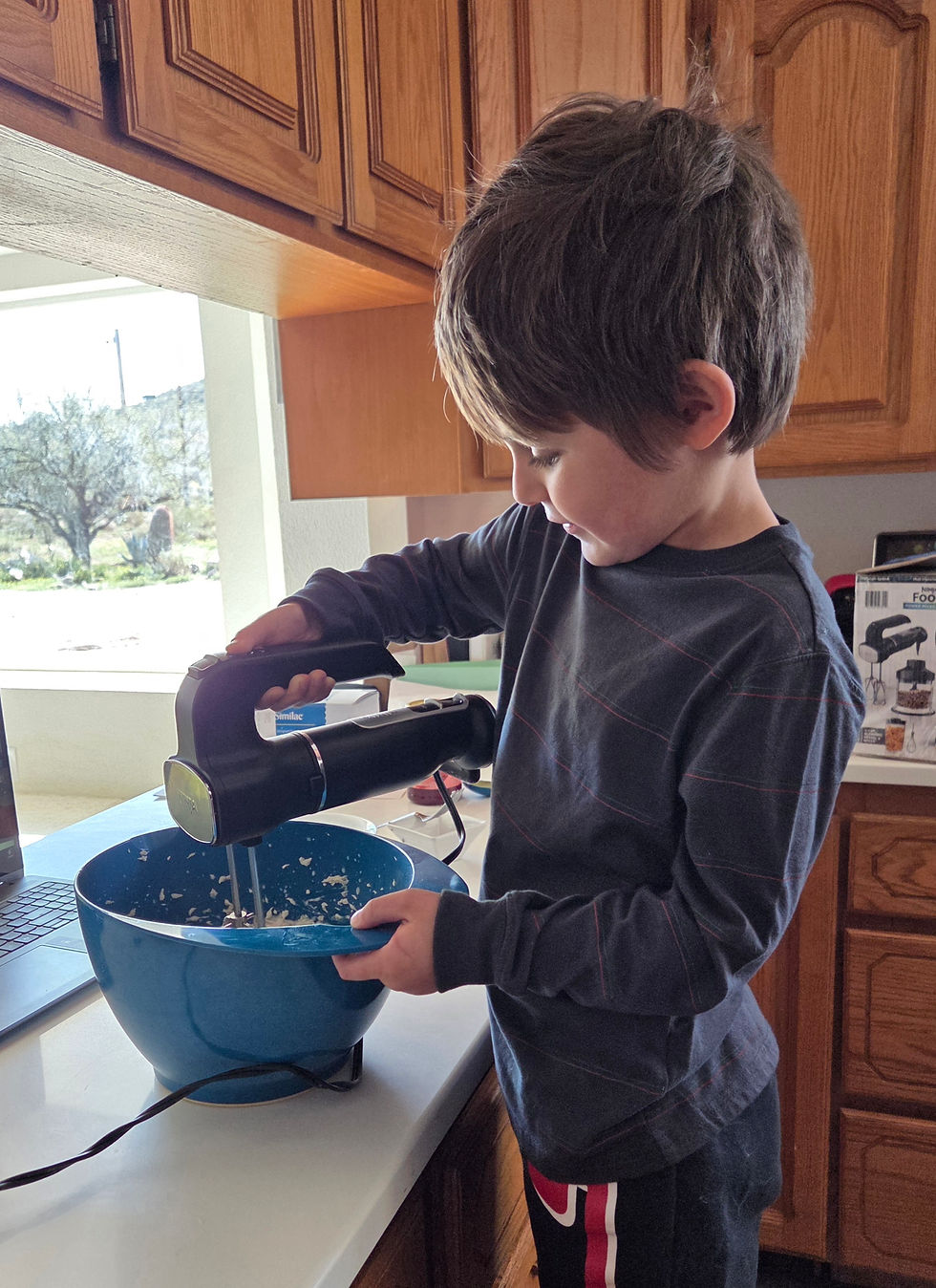
To help with consistency, we focus on building a foundation: meals that are planned (even loosely), eaten mindfully, and ideally shared when possible. Eating with others, cooking with family or housemates, even video chatting with a friend while you prep—these things sound small, but they reinforce behavior change in a powerful way. Connection isn’t just emotional: it’s practical. Remember how connection impacts our behavior change from Week 3: The healing power of connection? You can catch up on the blog here.
There are also a few “big picture” patterns worth keeping in mind.
⬇️Sugar-sweetened beverages are one of the most consistent contributors to increased risk across multiple conditions such as obesity, prediabetes, type 2 diabetes, high blood pressure, and heart disease. ⬇️Red and processed meats show similar patterns across cholesterol, blood pressure, breast and colon cancer risk, obesity, prediabetes, and heart disease. ✅A whole-food, plant-based (or plant-forward) pattern has beneficial effects on metabolic health, women's health, fertility, cancer and dementia risk, inflammation, longevity, and gut health as well as a variety of symptoms.
From there, we personalize. The sections below are a general guide and is NOT meant to be a list of all the things you need to change. Last week, we talked about setting one health goal for yourself. Remember that goal, and hone in on the section that represents your goal. Pull out 1-2 patterns to work on from that section alone. Don't see your health goal? Let's chat (for free)!
---------------------------------------------------------------------------------------------------------
Individualizing Nutrition for Your Goals
If your goal is lowering inflammation and supporting long-term health, the pattern leans toward colorful, plant-forward eating. ✅Picture a plate filled with berries like strawberries and pomegranate, leafy greens, cruciferous vegetables, and whole grains like oats or quinoa. ✅Add in healthy fats from chia seeds, flaxseeds, pistachios, and almonds, along with spices like turmeric and cardamom or something as simple as green tea.
These choices don’t just “reduce inflammation." They support heart health, brain health, and metabolic health all at once.
If gut health is your focus, ✅a whole-food, plant-forward pattern rich in fiber (such as beans, lentils, vegetables, whole grains) helps nourish your gut microbiome over time. Pattern beats perfection here. Some people may also benefit from probiotic foods like yogurt or fermented foods, depending on their needs. Gut health is an area where we’re still learning a lot about, but what we do know so far is poor gut health is linked to type 2 diabetes, obesity, inflammatory bowel disease, cancer, and heart disease.
For those navigating menopause symptoms, nutrition can be a powerful tool. If hot flashes are front and center, ✅incorporating soy foods (like tofu or edamame), flaxseeds, legumes, and cruciferous vegetables may help while being mindful of triggers like ⬇️alcohol, excess caffeine, and spicy foods.
If sleep disruptions are your health focus, we can focus on nutrition in addition to what we talked about in Week 2: Sleep optimization. Shift toward foods that support ✅stable blood sugar like complex carbohydrates and ✅relaxation, like magnesium-rich leafy greens and tryptophan-containing foods (such as seeds and legumes) to make a difference. Just as important is what to avoid in the evening: ⬇️large meals close to bedtime, alcohol, caffeine, and highly processed or sugary foods can disrupt sleep cycles.
For bone health over time (from achieving our peak bone mass to preventing or treating low bone density), think in terms of building blocks: ✅calcium-rich foods like fortified plant milks, calcium-set tofu, tahini, and leafy greens; ✅vitamin D from sunlight or fortified foods; and ✅vitamin K (from greens like kale, collards, and broccoli) working together to support bone strength.
If fertility is part of your current or future goals, nutrition plays a supportive role here as well. ✅Folate is key (aiming for around 400 mcg daily), which you can find in foods like leafy greens, beans, lentils, and citrus. ✅Vitamin D also matters (generally targeting levels supported by intake around 30–50 IU daily, depending on individual needs and guidance).
At the same time, it’s worth being mindful of exposures ⬇️ limiting processed meats and avoiding high-mercury fish (and for some, avoiding fish altogether) can help reduce potential risks.
If your focus is metabolic health (whether that’s PCOS, insulin resistance, or weight goals) the pattern circles back to ✅whole, nutrient-dense foods. Whole grains, antioxidant-rich fruits and vegetables, and omega-3 sources like chia seeds, flaxseeds, and walnuts support insulin sensitivity.
At the same time, ⬇️ minimizing processed foods, added sugars, and high saturated fat intake helps reduce metabolic strain. ✅Hydration and consistent meal timing also play a bigger role than most people realize.
For blood pressure, nutrition focuses on balancing sodium, potassium, magnesium, and calcium. ✅ Foods rich in potassium (like bananas, sweet potatoes, spinach, beans), magnesium (pumpkin seeds, legumes, leafy greens), and calcium (fortified plant milks, tofu, greens) help counterbalance sodium.
⬇️ And sodium isn’t just the salt you add. It’s often hidden in packaged foods, canned items, and restaurant meals. Awareness here goes a long way. One practical strategy: budget. Just like if you know a big expense is coming up, you might tighten up spending to save up for it. Similarly, if you know you’re eating out or indulging more, you don’t have to be perfect. Just balance the rest of your day to make space for it.
Cholesterol management follows a similar thread. ⬇️Reducing trans and saturated fat while ✅ increasing fiber-rich plant foods, especially oats, beans, lentils, soy protein, and nuts like almonds, can significantly lower LDL cholesterol comparable to some lipid medications when done consistently. Recall from last week that animal products naturally contain a small amount of trans fat, while added trans fat was banned in 2018. Therefore, a plant-based diet is naturally free of trans fat. If you’re continuing to include animal products, focus on being ✅ plant-forward and reach for leaner options and ⬇️ away from red or processed meat.
Disclaimer: The American College of Lifestyle Medicine recommends a fully plant-based dietary pattern and avoidance of alcohol for optimal health outcomes. Individual recommendations may vary based on your health status and goals.
Zooming out, these same patterns overlap with reducing risk for diabetes, heart disease, stroke, dementia, and certain cancers. Diets higher in ✅ unsaturated fats (from nuts, seeds, and plant oils), rich in plants, and ⬇️ lower in processed foods and red meat consistently show benefit across the board in these areas.
Cooking methods matter here too. ✅ Moist heat such as stewed, steamed, or boiled food tend to be a better choice than ⬇️ processed meats, frying, or dry heat methods like grilling, roasting, or broiling, which can introduce additional inflammatory and cancer-promoting compounds.
Stay tuned: We will do a deep dive into food preparation and processing next week!
---------------------------------------------------------------------------------------------------------
This isn’t about perfection. It’s about awareness and gradual shifts.
So where do you start?
Not by changing everything at once.
👉 Start with one or two shifts from above that align with your health goals that actually feel doable.
Maybe it’s adding a vegetable to lunch most days. Maybe it’s cooking at home twice this week. Maybe it’s reading a label before buying something packaged. Maybe it's shifting from a dry heat preparation to a moist heat preparation.
If a fully plant-based approach doesn’t feel realistic, aim for plant-forward. If meal prep feels overwhelming, start with one meal.
Small, consistent shifts are what create lasting change.
And just as important: enjoy your life! Food is part of living, not something separate from it. Being intentional doesn’t mean being restrictive. Mealtime can be nourishing as well as a time for mindful stress reduction or social connectedness or both.
Next week, we’re going to zoom in on something that impacts health more than people realize: food processing. What it actually means, how to navigate it, and how to make choices without feeling overwhelmed.
Until then, keep it simple, keep it realistic, and keep it yours.
👉 If you’re ready to make this yours, whether that means personalizing these recommendations to your health goals, creating a plan you can actually stick with, or if you didn’t see your specific goal here, let’s connect on a free consultation to discuss further!
Disclaimer:
The content on this blog is for informational purposes only and is not intended to provide medical diagnosis, treatment, or replace professional medical advice, diagnosis, or care. Always consult a qualified healthcare provider with any questions regarding a medical condition or treatment.


Comments